Kanowit — The Early Country
The country I came from, drawn from memory.
Primary One
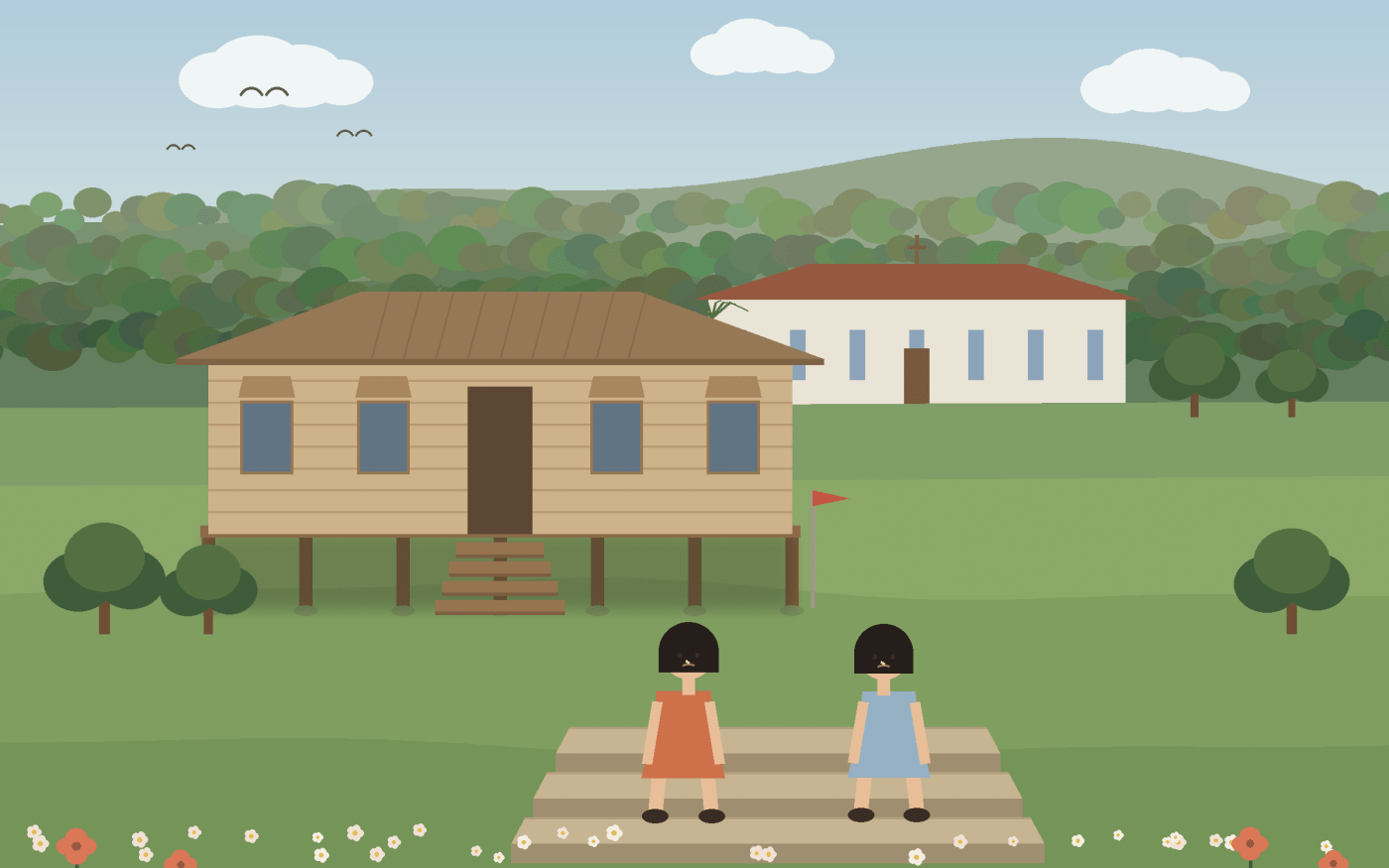
Primary One. A single plain wooden building on stilts. Behind it the sisters’ convent, and tall hills with trees. Green all around. I sat on some steps in the ground with the most stupid girl in class and told her, we are alike, we both have a scar above our lips. I was actually telling her, we are both alike, stupid. My siblings were top students. I was not. Mediocre.
Assembly
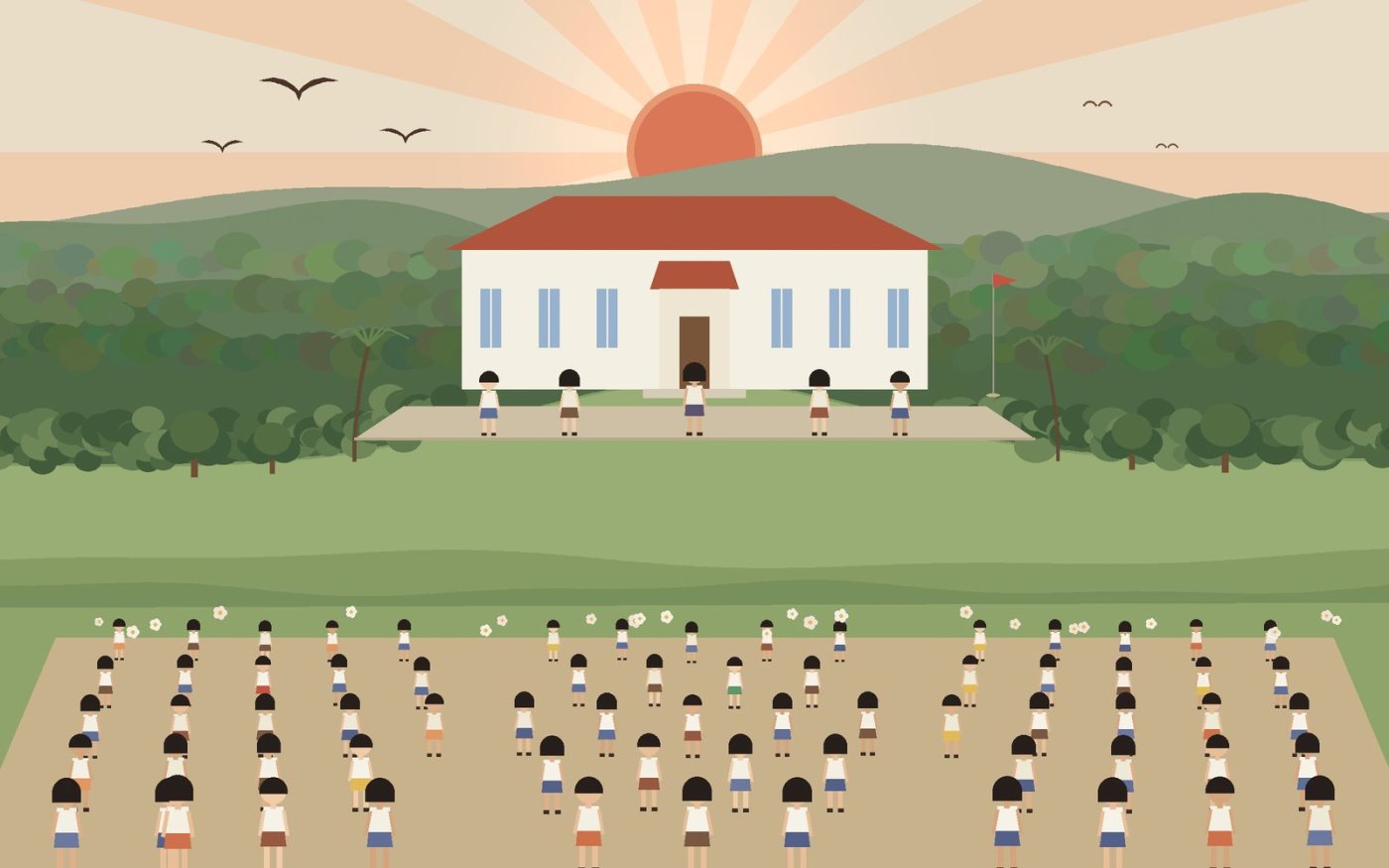
St Francis Xavier, sitting on a green hill. The principal and the teachers stood above, in front of the school. We stood below on the field, in rows, by class. That was the shape of every morning.
The Field Below
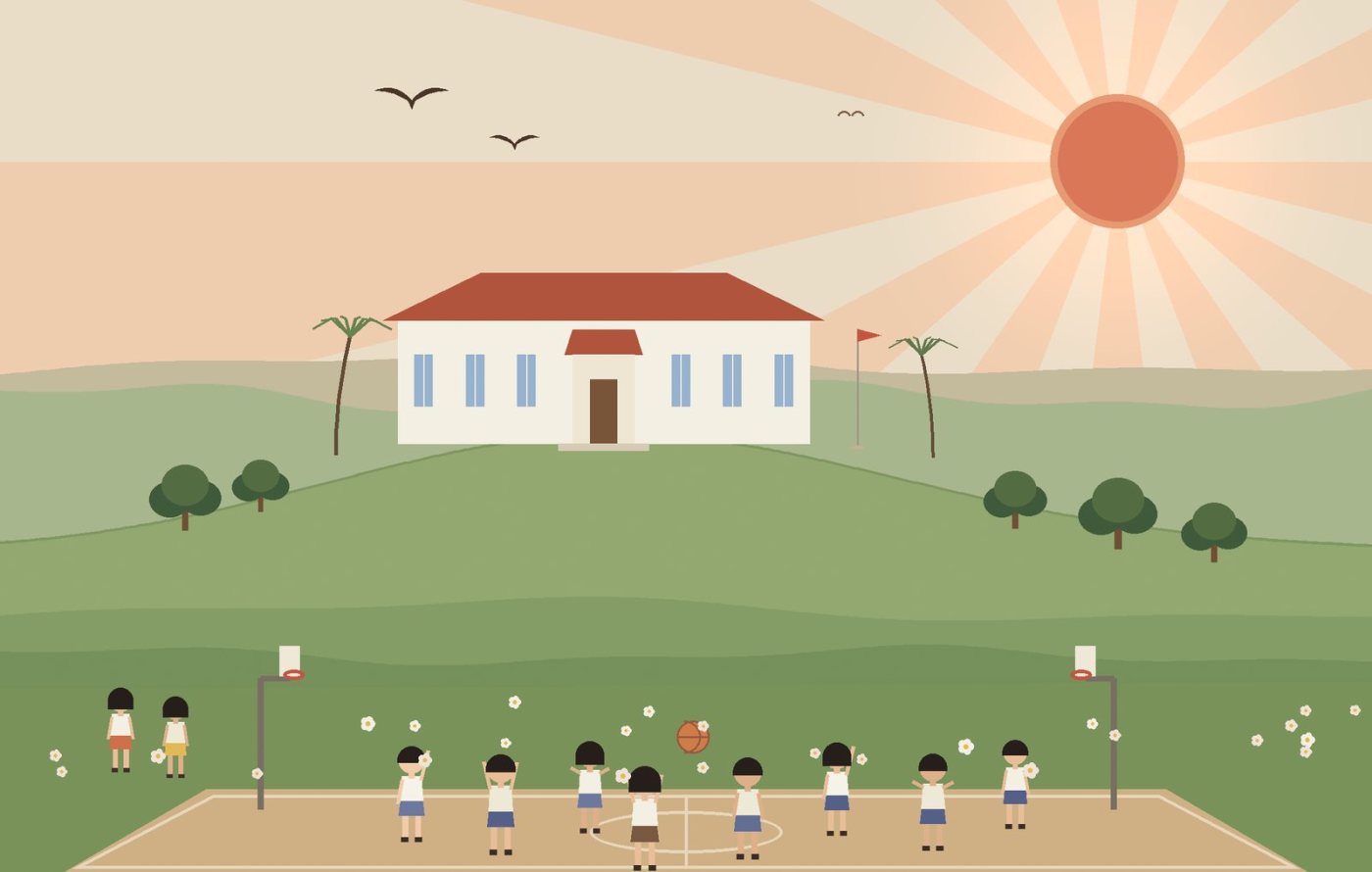
The same hill, later in the day. The court was packed earth. We played basketball on the field below the school.
The Rattan Cane
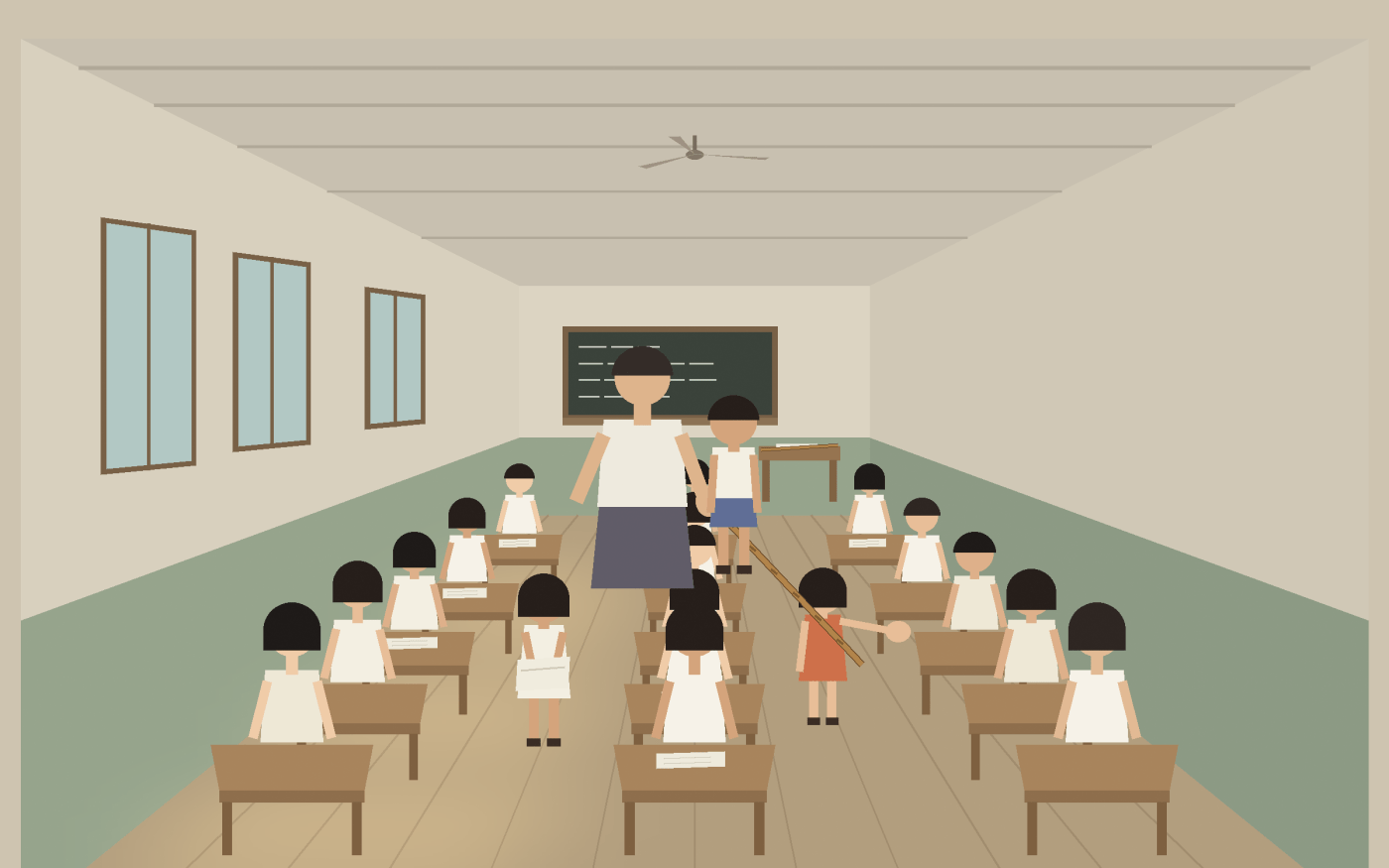
Test papers were passed down, and with them we got caning. We held out one hand and the teacher slashed down hard on it with a rattan cane. Rattan canes were used. Every school had them. We kids, boys and girls, awaited the teacher with fear.
The Swings
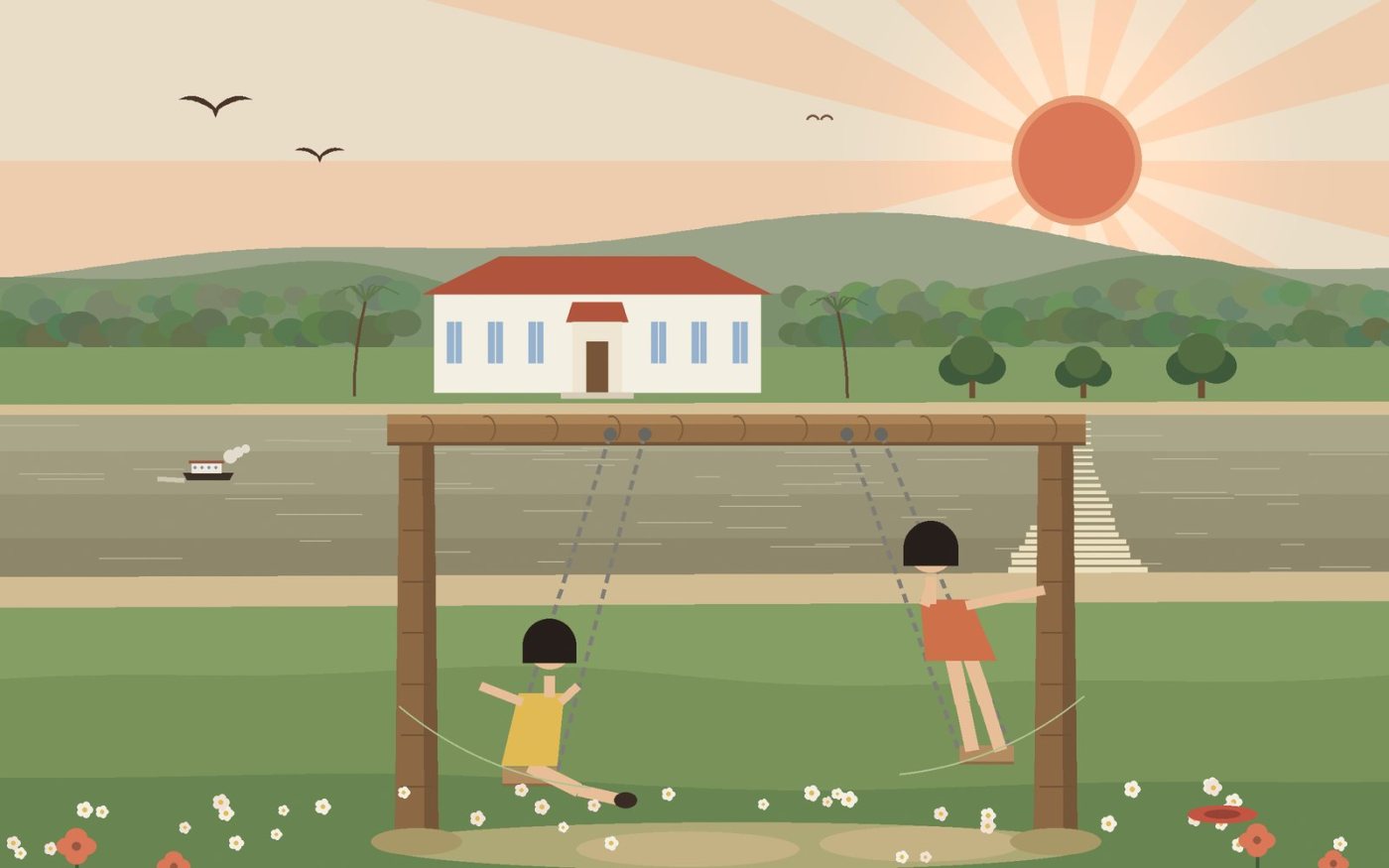
Two sturdy wooden posts driven deep into the ground, a beam on top, and from it chains holding wooden planks for seats. We sat on them, or stood, pushing the swings with our bodies. It was on the green field by the Kanowit river, with a school across the water. Tessa sat. I stood.
The Wharf and the Water
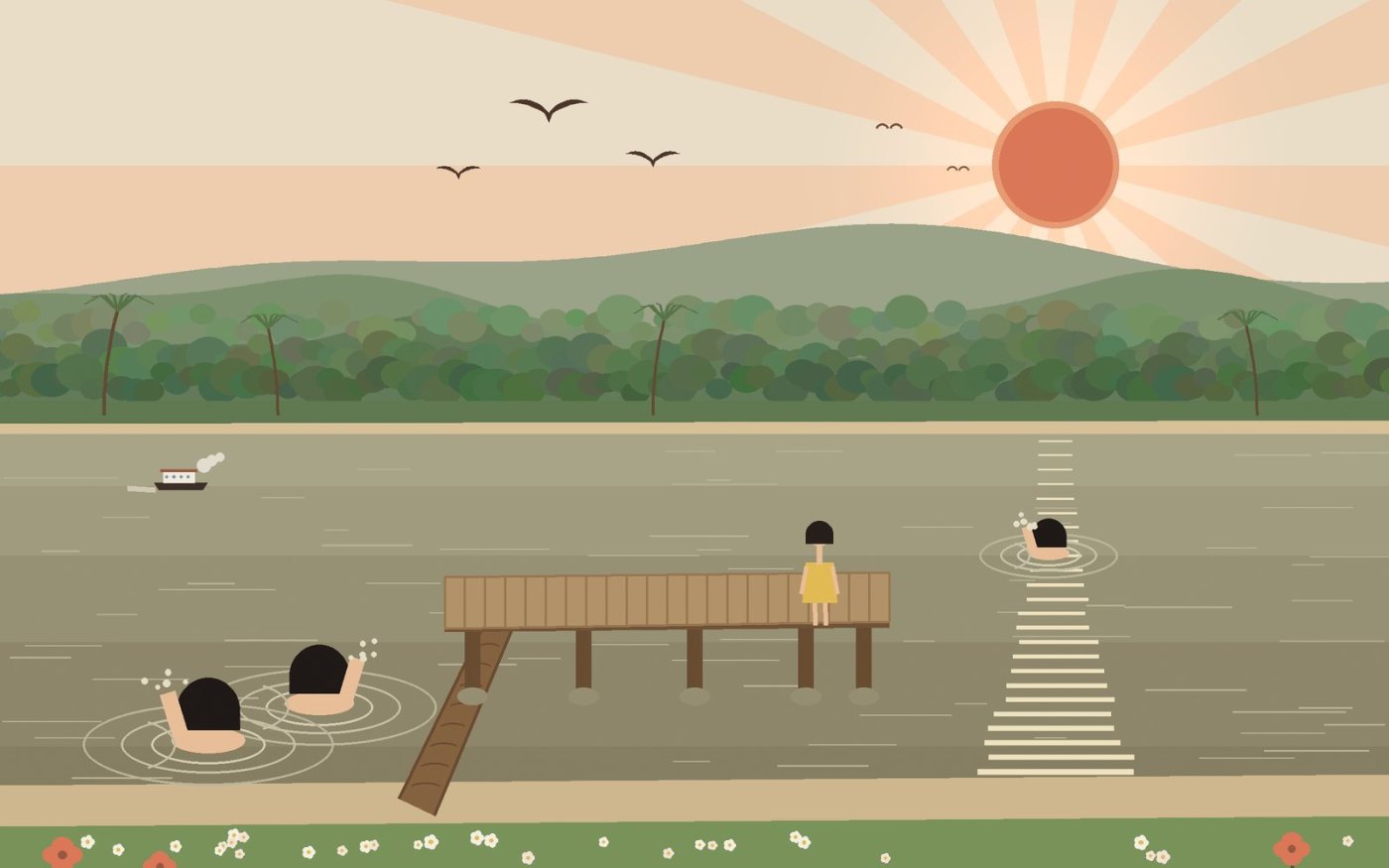
The wharf was a long tree trunk you walked out on, and then wooden planks laid across more logs. We swam here. There was land across the river — my brothers swam across it.
The Motor Launch
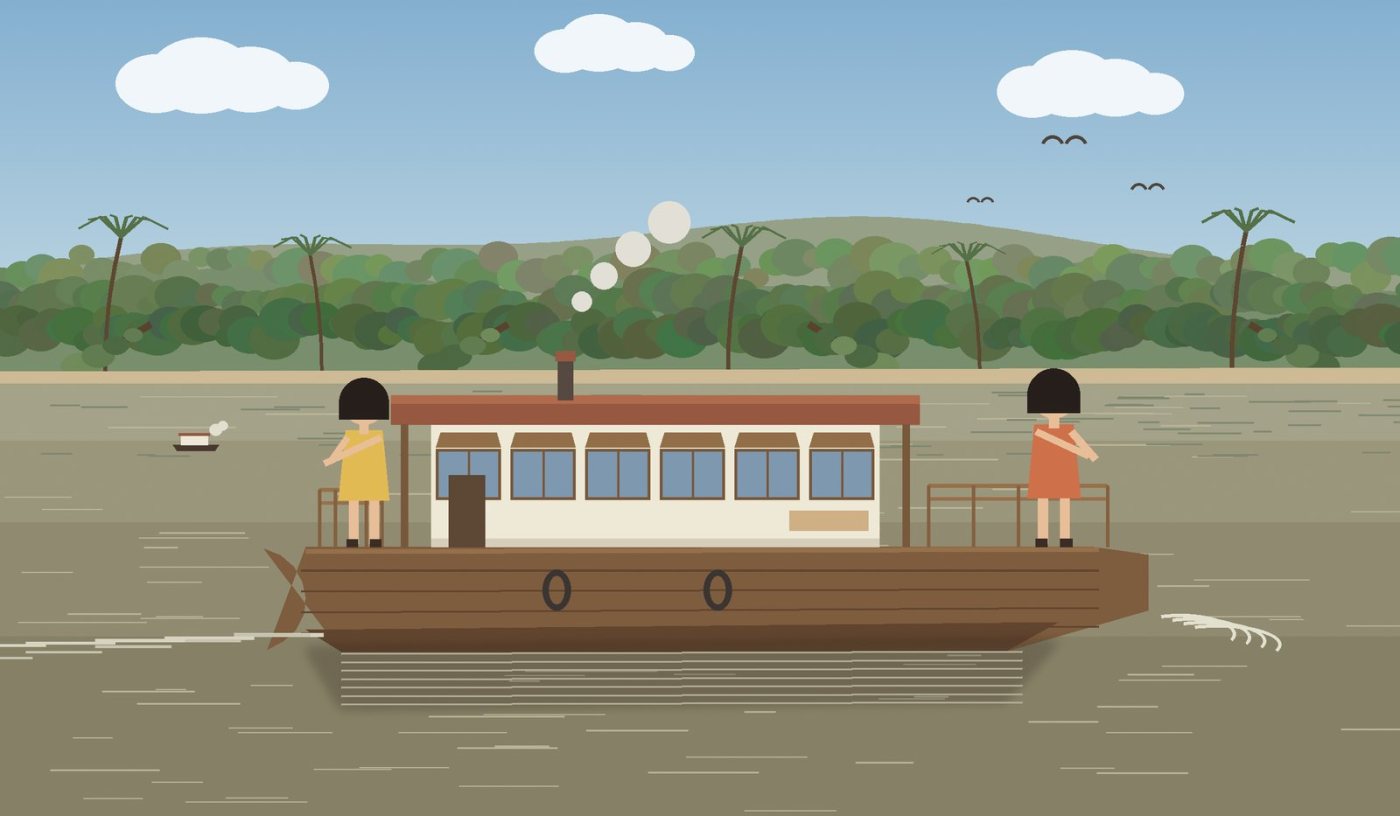
The motor launches were made of wood, like a mini house boat — the front bow sharp, the back bow rounded. Tessa and I often stood either in front or at the back, and watched the trees go by.
Two Rows of Concrete Shops
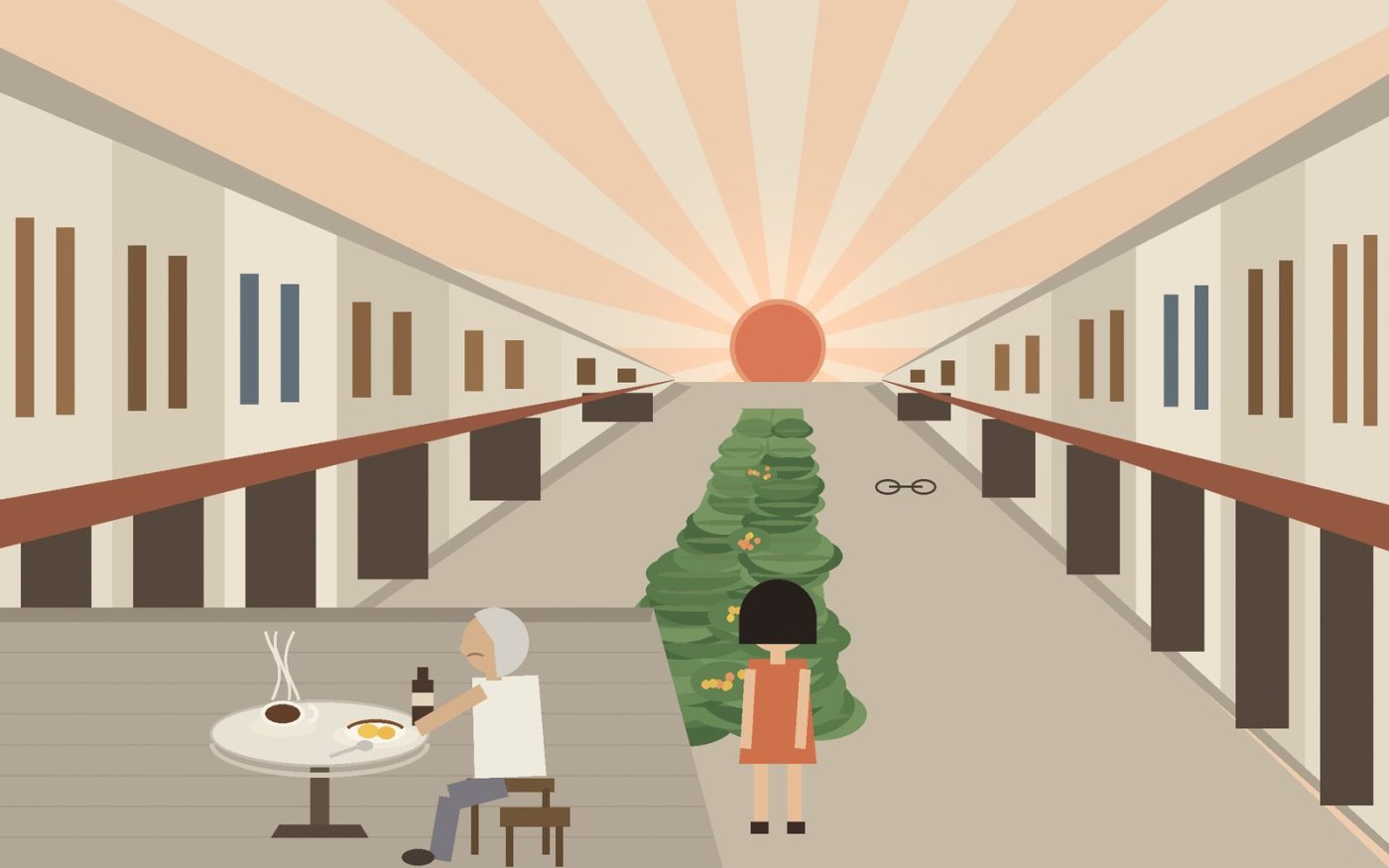
The shops were two rows of concrete. I was around eight. I stood at a coffee shop and watched Yu Tek Pek, an old man, eating his breakfast.
Yu Tek Pek’s Breakfast
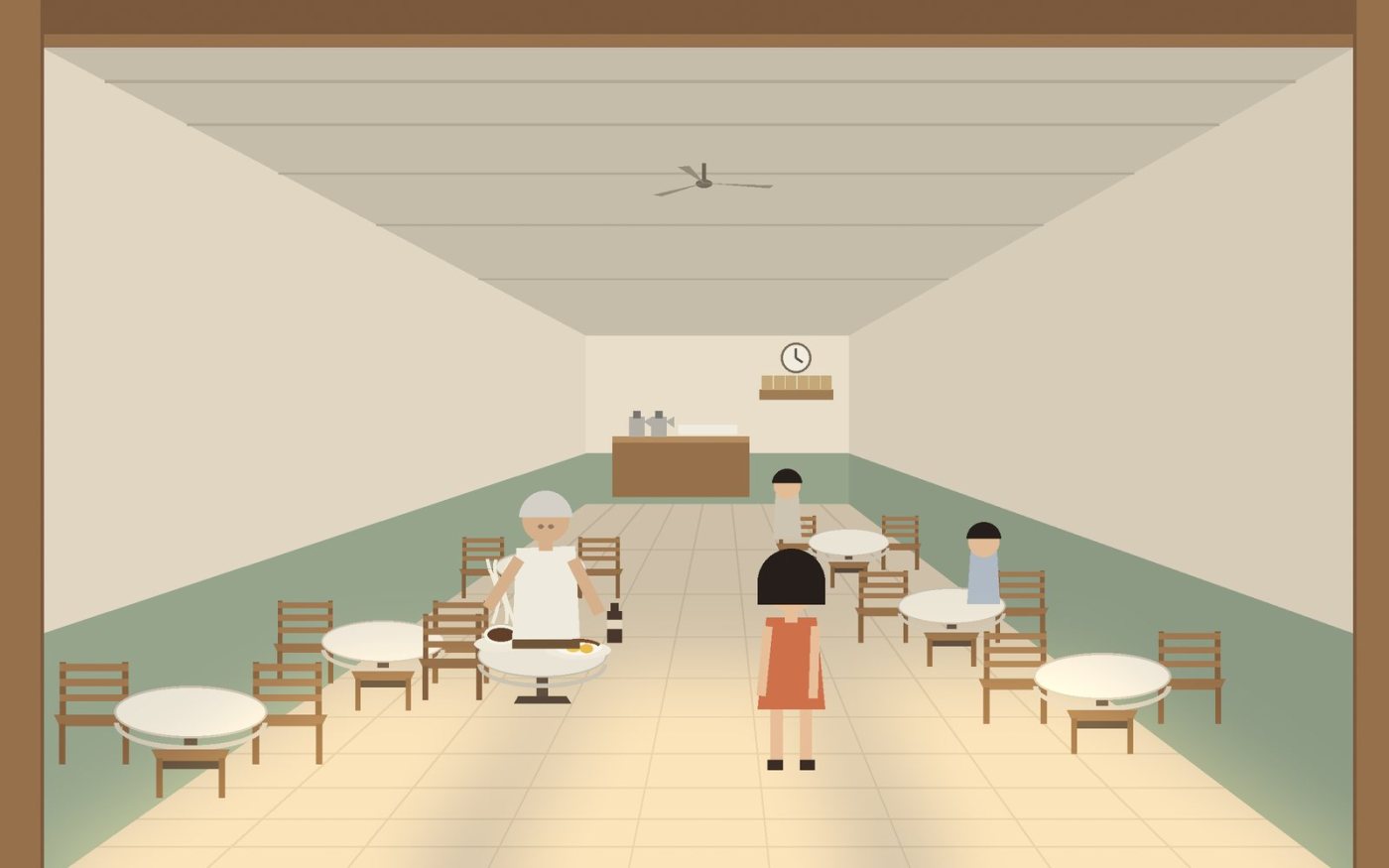
A long rectangular room with the front portion completely open. It is still the same today. Early morning, few visitors, the chairs all empty. I watched his coffee steaming. He cracked the eggs, poured soy sauce over them, and ate. I stood there salivating.
The Shop at the End of the Row
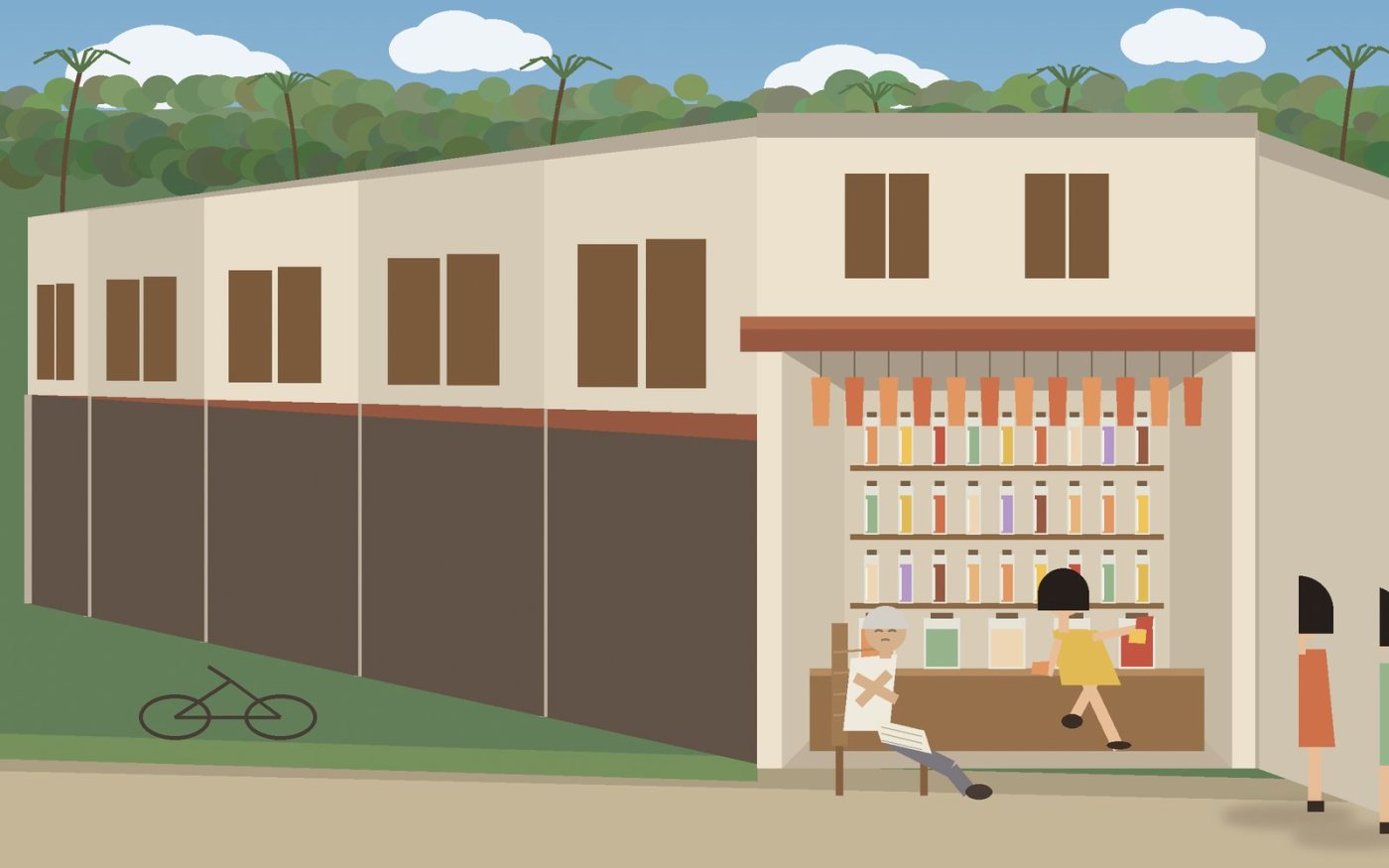
A jungle village — blue skies and green trees behind everything. This was the end shop of a row of six, full of candy and goodies, all in bottles. The old man sat on a chair, dozing. Tessa and I stood out of sight at the side of the shop while Celine darted in and stole some packets.
The Wet Market
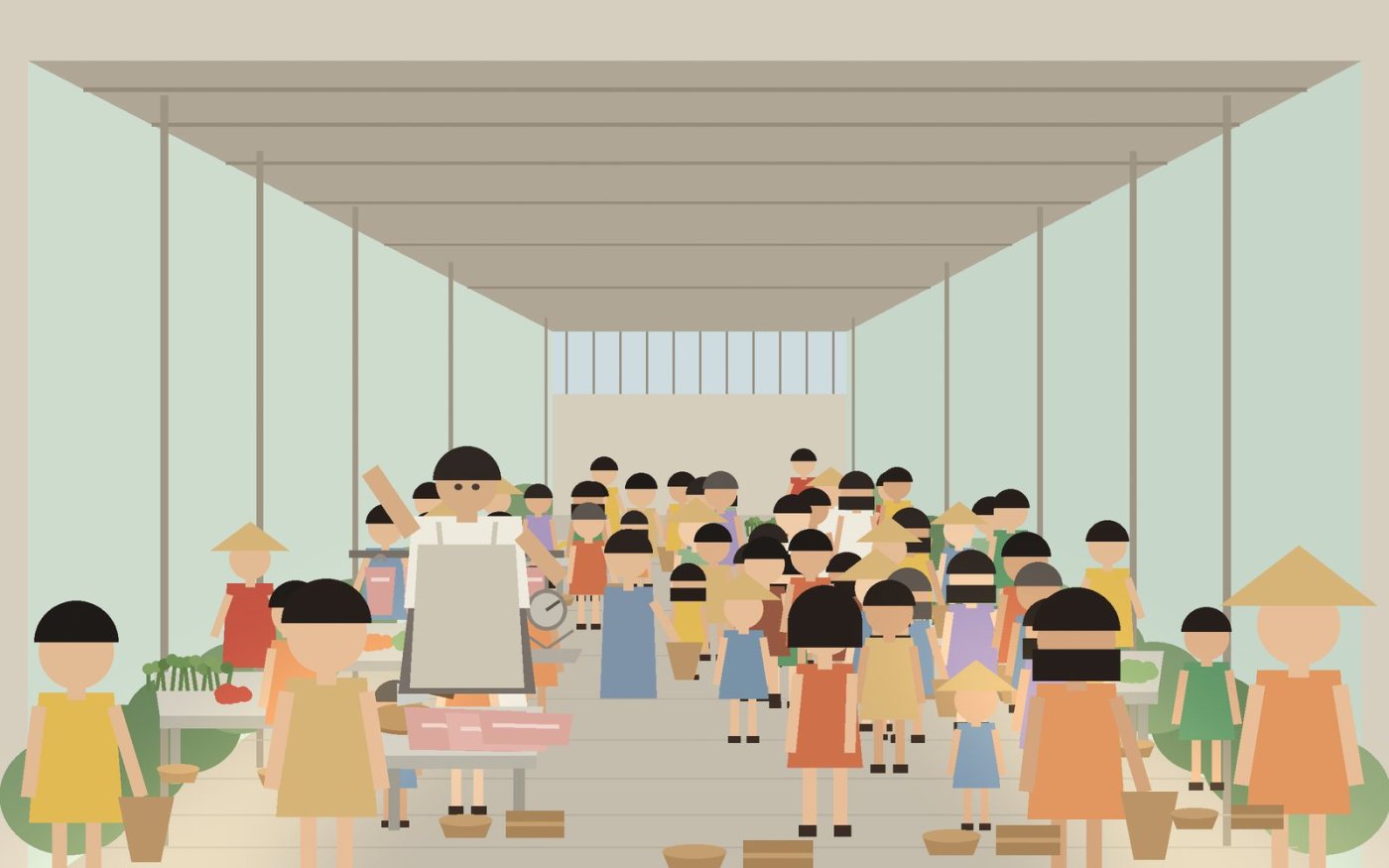
At the end of the main street, past the two rows of shops, was the wet market. Cement tables, and butcher Law selling his meat, his pork. Other vendors with vegetables and fruit. The butcher forms a good portion of my childhood memories.
The Church
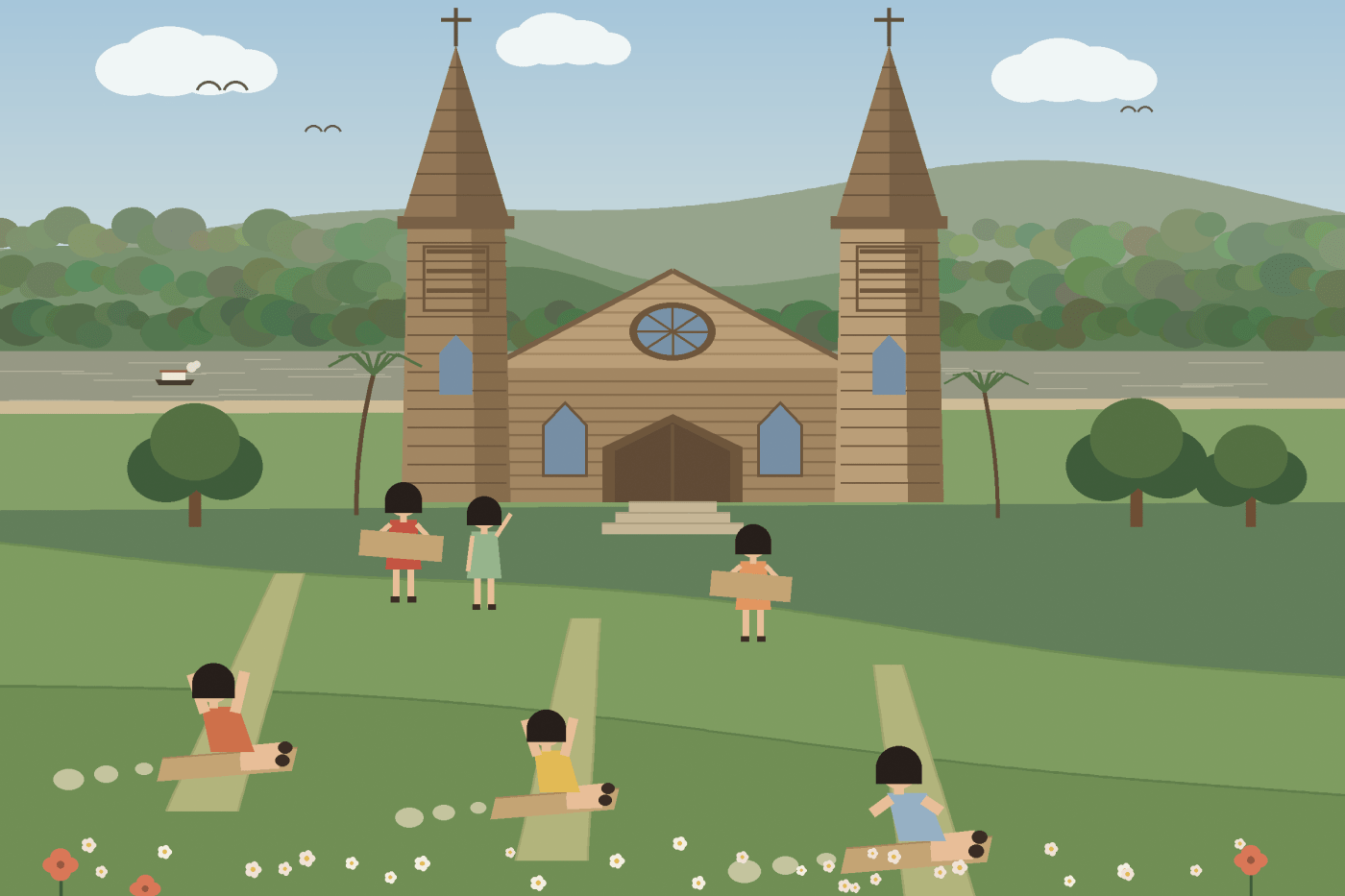
One of the oldest churches in Sarawak. The architecture was like an old medieval church — two tall spires, a triangular roof in the middle, made of unpainted wood, old with age. Near the Kanowit river, the usual jungle green, hills, trees. We children played outside, making slides with cardboard, sliding down the hills.
Washing the Fear Away
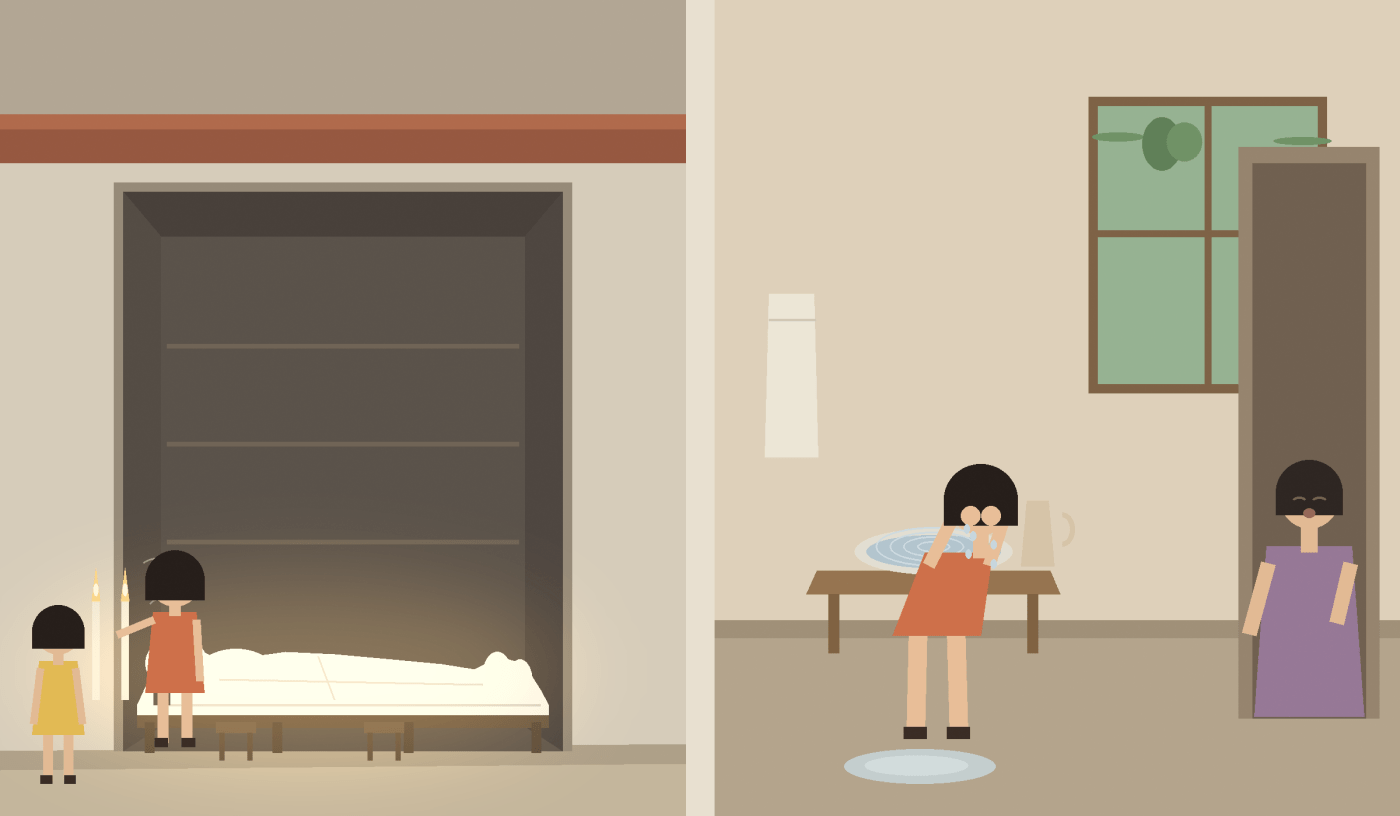
Celine asked if we wanted to see the body of a classmate’s grandfather, laying in state. I stood at the door and looked inside. The big shop with goods was emptied out. Inside, on a bed, was the dead body. I took a look and ran back to school. Celine told me if I washed my face, I could wash the fears away. After school I went home and washed and washed my face. My mother laughed at me. It did not wash the fears away.
The Promise
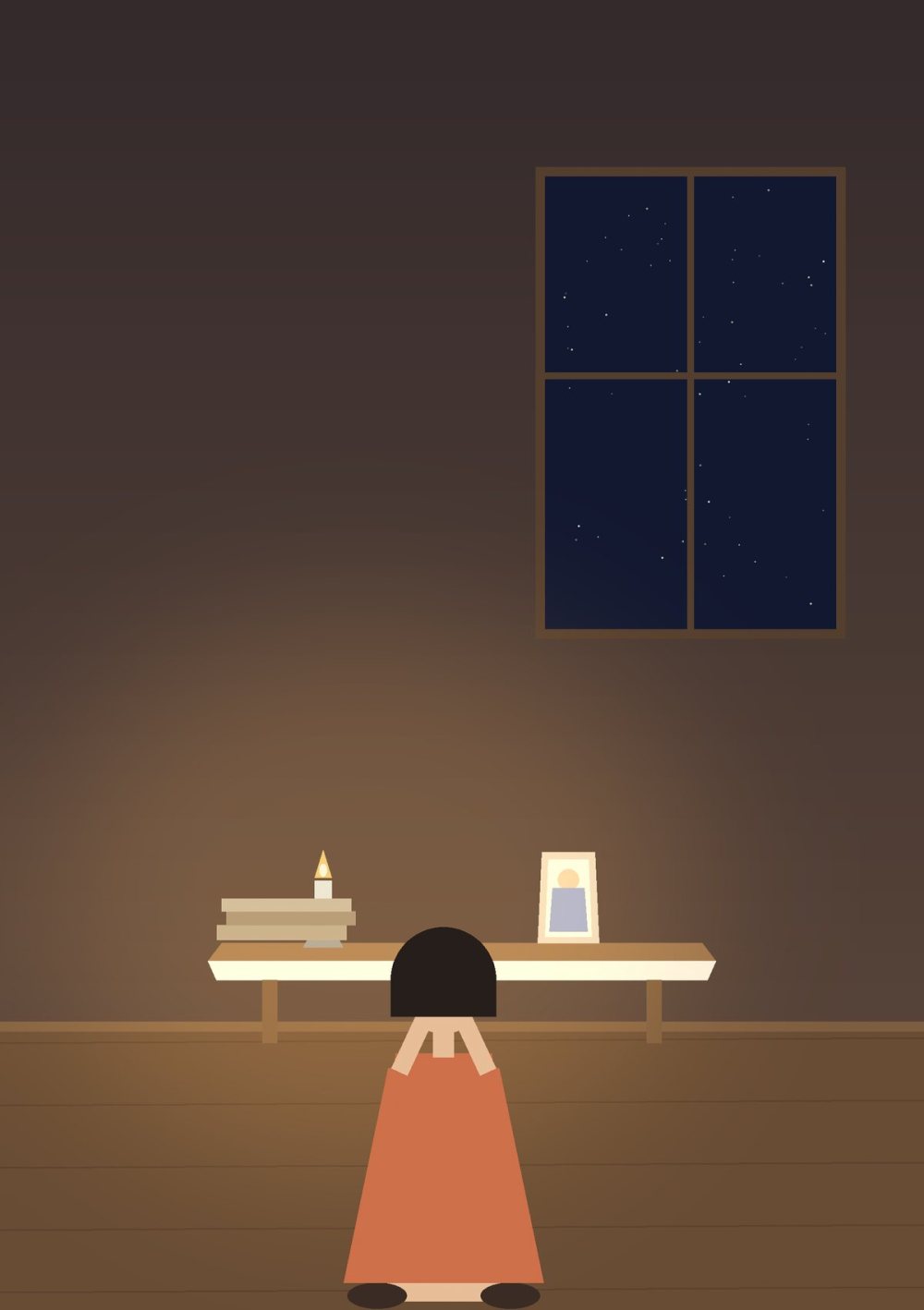
Age eleven. Every night I knelt at a table in prayer and begged God to help me pass my examinations. I promised that if I passed, I would become a nun. It was what led me to become a nun.
The road goes on. The river flows on.
 The Quiet Land